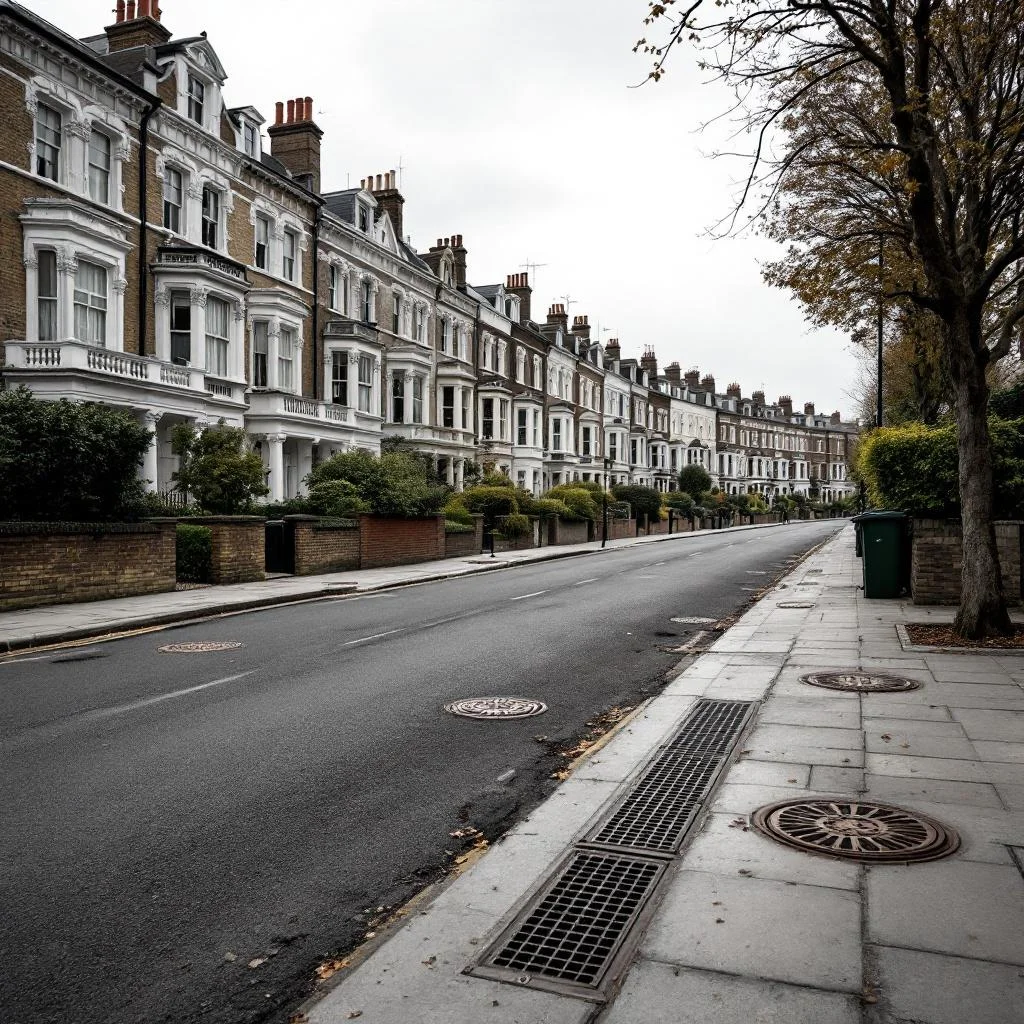
London drains block more frequently than almost any other UK city because most of the underground network is 150 years old, built from clay, and running under ground that swells and shrinks every season. After 26 years clearing drains across the capital, the same three causes account for roughly 80% of emergency callouts: ageing Victorian infrastructure, London Clay movement, and modern waste habits the old pipes were never designed for. As a result, even well-maintained homes experience recurring problems that have very little to do with the household's behaviour.
The Age Problem
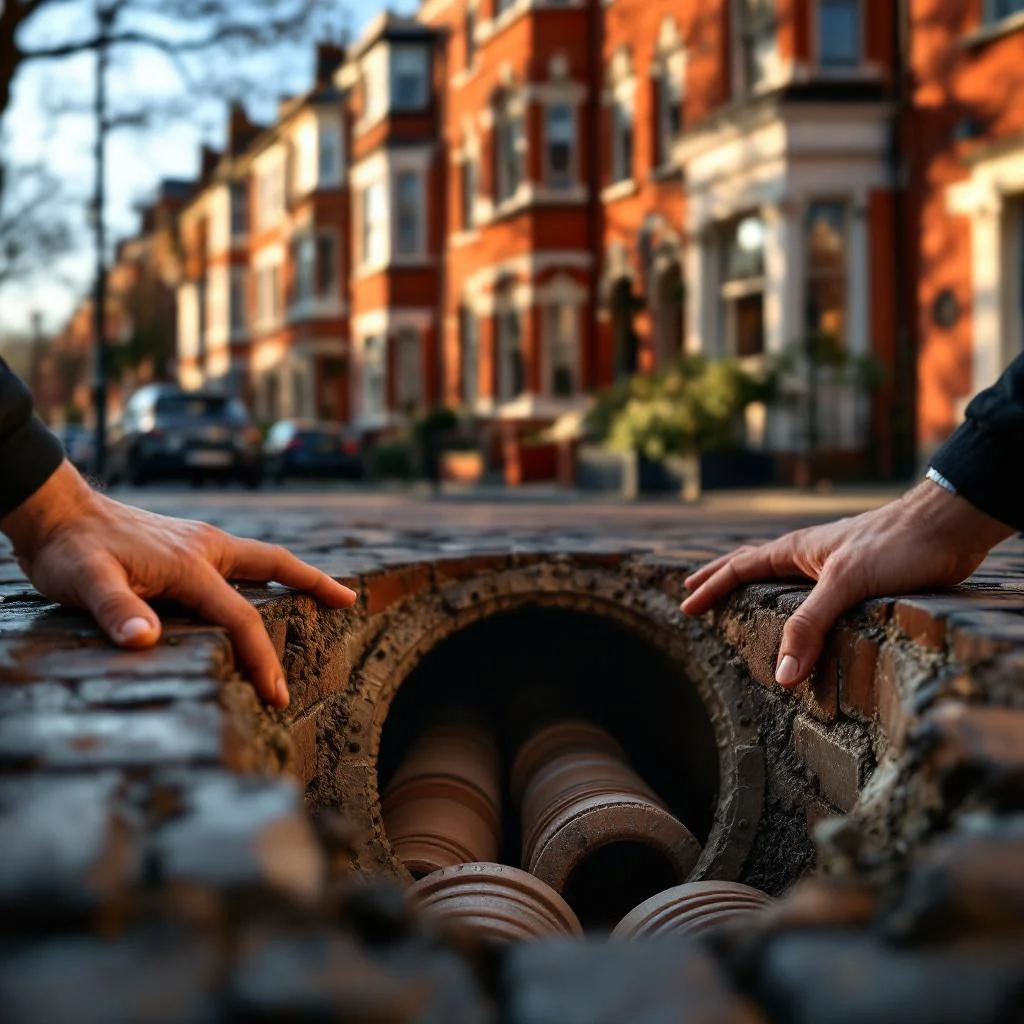
The vast majority of London's residential drainage pipes are made from either glazed clay or cast iron. Clay pipes from the Victorian era can last a very long time, but after 100-150 years, they develop cracks, root intrusions, and misaligned joints. Furthermore, cast iron pipes corrode from the inside, gradually narrowing the bore and creating rough surfaces that catch grease, hair, and debris.
London's sewer system was designed by Sir Joseph Bazalgette in the 1860s. The residential laterals feeding these sewers are typically 100mm in diameter — adequate for Victorian households, but under pressure from modern water usage. According to Thames Water, approximately 60% of blockage callouts in London involve pipe defects rather than pure waste accumulation. Therefore, the pipe itself is often the problem, not just what's in it.
In areas like Islington, Hackney, and Kensington — where rows of Victorian terraced houses are packed together — shared drainage runs beneath gardens and pavements in pipes no wider than 100mm. In addition, a single root infiltration from a nearby tree can spread along the entire run, causing simultaneous blockages across multiple properties.
London's Clay Soil Makes Things Worse
Greater London sits predominantly on London Clay — a dense, impermeable geological layer that expands when wet and shrinks when dry. This seasonal movement applies enormous lateral pressure to buried drainage pipes, causing them to crack, shift, or separate at joints. As a result, even pipes installed in the last twenty years can develop fractures within a single decade in the worst-affected boroughs.
During prolonged dry summers — increasingly common as London's climate changes — the clay shrinks dramatically, and when the autumn rains arrive, it swells back. This repeated cycle of shrink-swell causes pipes to rack and pull apart at their joints, leaving gaps that tree roots exploit. Furthermore, the movement typically amounts to 10-20mm at pipe depth in inner London, and up to 40-50mm in areas with mature trees nearby.
Fatbergs: London's Modern Plague
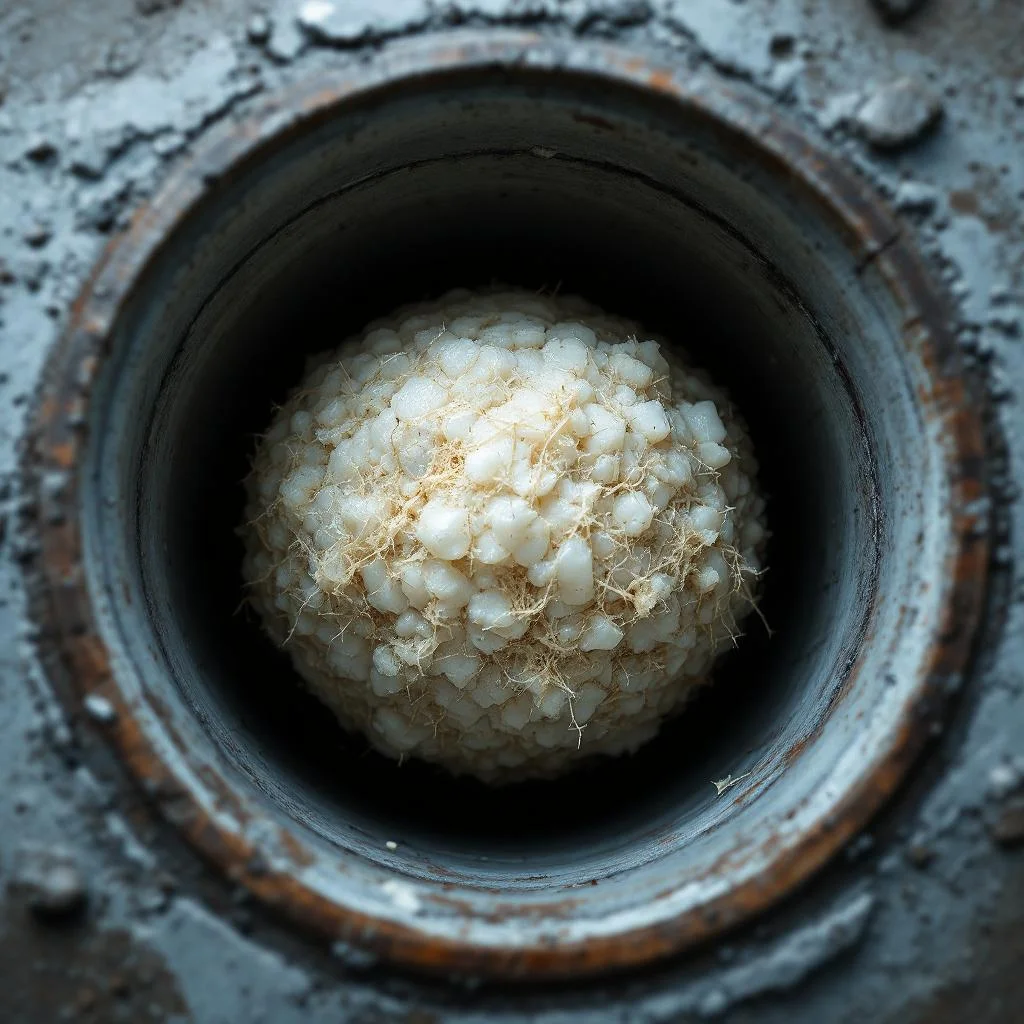
Fatbergs are enormous congealed masses of cooking fat, wet wipes, cotton buds, and sanitary products. The famous 2017 Whitechapel fatberg weighed 130 tonnes and stretched 250 metres, requiring nine weeks and a specialist team to remove. That said, this scale of incident is only the visible end of a much larger problem occurring in every London street.
The same process happens in domestic drains every day, just at a smaller scale. London's dense urban population means cooking fat from thousands of restaurants and homes is constantly poured down drains. Therefore, the fat cools as it moves through the pipe, solidifying on the pipe walls and gradually narrowing the bore. Over time, this build-up combines with flushed wipes and other debris to form a solid blockage.
- Never flush:
- Wet wipes (even those labelled "flushable" — they do not disintegrate)
- Cotton buds or cotton wool
- Sanitary products
- Paper towels or dental floss
Shared Drains Create Disputes
In London's terraced housing stock, it is extremely common for multiple households to share a single drainage run before it connects to the public sewer. Thames Water extended its responsibility to include private sewers serving multiple properties in October 2011, but many homeowners are still unaware of this change and continue paying for repairs to pipes that Thames Water should maintain.
What You Can Do
The best defence against London drain blockages is prevention:
- Never pour cooking fat down the drain — collect it in a container and dispose of it with your household waste
- Use sink strainers to catch food debris in kitchen drains
- Never flush wet wipes, even those labelled "flushable"
- Book a CCTV survey every 5-7 years for older Victorian properties
- Act on slow drainage immediately — a slow drain today is a blocked drain next week
For older Victorian properties, a CCTV drain survey can identify developing problems before they become emergencies. Root infiltrations caught early can often be dealt with by jetting alone, without the need for expensive excavation.
Frequently Asked Questions
Why does my London drain keep blocking even after it's cleared?
Recurring blockages almost always indicate a structural issue — root intrusion, a fractured pipe, or a joint displacement that catches debris. Rodding clears the blockage but does not fix the pipe. A CCTV survey will identify the root cause and allow you to address it permanently.
Is a Victorian drain a problem when buying a London property?
Yes. Pre-purchase CCTV surveys routinely find cracked or root-infiltrated lateral drains that will not show up in a standard survey. We recommend one for any property built before 1960, particularly in areas with mature street trees.
Who is responsible for a shared drain between my house and my neighbour's?
Since October 2011, shared private sewers serving more than one property were transferred to Thames Water. You are only responsible for drains that serve your property alone before joining the shared run.
How much does drain unblocking cost in London?
The cost of standard residential drain unblocking depends on severity and method required. We provide a fixed price before starting — no surprise charges, no call-out fee.
Can I prevent fatbergs in my own drains?
Yes. Never pour cooking fat, oil, or grease down any drain. Never flush wet wipes or sanitary products. These two habits eliminate the majority of kitchen and bathroom blockages.
For blocked drain and drain unblocking services across the capital, our London drainage page covers the full service area. Request a quote online via our contact form for same-day attendance anywhere in Greater London.