A blocked toilet in London is resolved in most cases by a plunger and a bucket of hot water within 15 minutes. If the blockage doesn't clear with these methods, the fault is usually in the drain run rather than the toilet itself — particularly in London's Victorian terraced properties where a single shared run drains toilet, bath, and basin. That scenario requires professional drain unblocking, not a plumber.
A blocked toilet is an unpleasant situation that most London households will encounter at some point. Whether it's a slow drain, a toilet that won't fully flush, or a complete blockage with overflow risk, knowing how to respond quickly and safely can prevent a minor inconvenience from becoming a major flood.
Common Causes of Blocked Toilets in London
Non-flushable items — The most common cause of toilet blockages in London is flushing items that shouldn't go down the toilet. Wet wipes (even those labelled "flushable"), cotton buds, sanitary products, cotton wool, nappies, and dental floss are all regular culprits. These items don't break down in water the way toilet paper does, and they accumulate in bends and narrow sections of the drain.
Toilet paper build-up — Even standard toilet paper can cause blockages if too much is flushed at once, or if the drain run has a partial obstruction elsewhere that restricts flow.
Limescale build-up — London has extremely hard water, and limescale deposits build up inside toilet pans and U-bends over time. This narrows the effective bore and makes blockages more likely.
Partial blockage in the drain run — Sometimes the toilet itself is fine, but a blockage further down the shared drain run causes the toilet to drain slowly or not at all. This is particularly common in London's Victorian terraced properties where the toilet, bath, and sink may all drain through a single run.
Old plumbing — London's older properties often have low-flush or inefficient original toilets that don't have sufficient water volume to reliably clear solid waste. These toilets are prone to blocking even with proper use.
Immediate Steps: What To Do
Step 1: Stop flushing. If the toilet bowl is filling and not draining, the worst thing you can do is flush again. This risks overflowing the bowl and causing a flood.
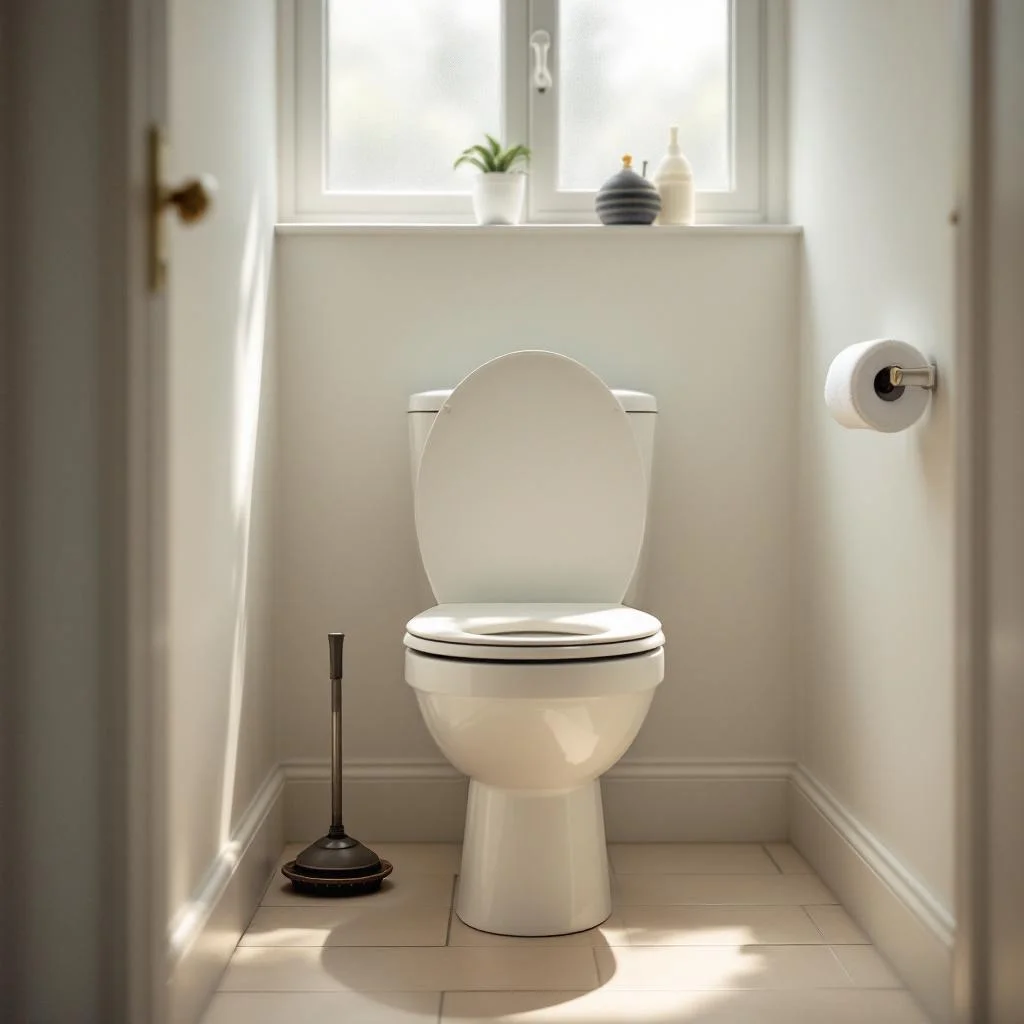
Step 2: Try a plunger. A cup plunger (not the flat type used for sinks) placed firmly over the toilet drain outlet and pumped up and down several times will shift many simple blockages. Cover the toilet seat and surrounding area with old towels before you start.
Step 3: Try hot water. Pour a bucket of hot (not boiling) water from waist height into the toilet bowl. The force and heat can shift a partial blockage. Do not use boiling water as this can crack ceramic toilet bowls.
Step 4: Try washing-up liquid. Squirt a generous amount of washing-up liquid into the bowl, leave for 15 minutes, then follow with a bucket of hot water. The detergent can help lubricate the blockage and ease it through.
Step 5: Call a professional. If the above steps don't resolve the blockage within 20-30 minutes, or if you suspect the blockage is in the shared drain run rather than in the toilet itself, call a professional blocked toilet service. Attempting to force a stubborn blockage with a wire coat hanger or improvised tool risks scratching the toilet pan or damaging the pipework.
When Is It an Emergency?
Contact our 24/7 blocked toilet service immediately if:
- The toilet is overflowing or at imminent risk of overflowing
- There is sewage coming up through any other drain in the property (bath, shower, basin, or floor gully) — this indicates a complete blockage in the shared drain run
- There is a bad smell emanating from the drains — this can indicate a blockage causing sewage to back up in the pipes
- You live in a flat with only one toilet and it is completely blocked
Preventing Blocked Toilets in London
The "three Ps" rule is a good start: only flush paper, poo, and pee. Everything else — wipes, cotton products, sanitary items — goes in the bin. Keep a small covered waste bin next to every toilet.
In hard water London homes, use a limescale remover regularly to keep the toilet pan and waste pipe clear of scale deposits. A monthly flush with a proprietary drain cleaning product (used as directed, and not on old clay pipes) can help keep the drain run clear.
If your London property has older plumbing and a history of toilet blockages, a professional inspection of the drain run may identify an underlying problem — a partial root intrusion or collapsed section — that is causing the recurring issue.
Frequently Asked Questions
Why does my toilet keep blocking even after it's cleared?
Recurring toilet blockages in London almost always indicate a problem in the drain run, not the toilet itself. Common causes are a partial root intrusion narrowing the bore, a displaced joint that catches debris, or a section of pipe with insufficient gradient. A CCTV drain survey will identify the root cause.
Can I use a wire coat hanger to clear a toilet blockage?
Using a wire coat hanger risks scratching the porcelain pan, which creates rough surfaces that trap future debris. A proper toilet auger (closet auger) is the right DIY tool if a plunger doesn't work. If that also fails, call a professional — forced improvised tools can push a blockage deeper or damage pipework.
Why is sewage coming up through my bath when my toilet blocks?
Sewage backing up through multiple drain outlets simultaneously indicates a complete blockage in the shared drain run rather than in the toilet itself. This is a drain emergency. Do not flush anything. Call a professional drain unblocking service immediately and, if the blockage may be in adopted pipework, also call Thames Water on 0800 316 9800.
How long does professional toilet unblocking take in London?
Most residential toilet unblocking jobs take 30–60 minutes from the engineer's arrival. If the blockage is in the drain run and requires jetting rather than simple rodding, allow 60–90 minutes. We provide a fixed price before starting work.
Does home insurance cover a blocked toilet in London?
Some home insurance policies include drain or underground services cover, which may cover the cost of professional unblocking if the blockage is in private drain pipework. Check your policy documents under "drain" or "underground services" cover. Most policies require a written job report from the drain company to process a claim.