London Clay — the dense geological layer beneath most of Greater London — causes drain damage through a seasonal shrink-swell cycle that moves the soil 10–50mm at pipe depth. This movement cracks clay pipes, opens joints for root infiltration, and displaces pipe sections from their original alignment. No surface inspection can detect this damage; only a CCTV survey can confirm whether clay movement has already compromised your pipes.
Ask any drain engineer who has worked across the UK and they'll tell you that London is in a league of its own for drain damage. The reason isn't London's age, its density of buildings, or even the city's Victorian plumbing — it's the ground itself. London Clay, the dense impermeable geological layer that underlies most of Greater London, is one of the most problematic soil types for underground drainage infrastructure in the country.
What Is London Clay?
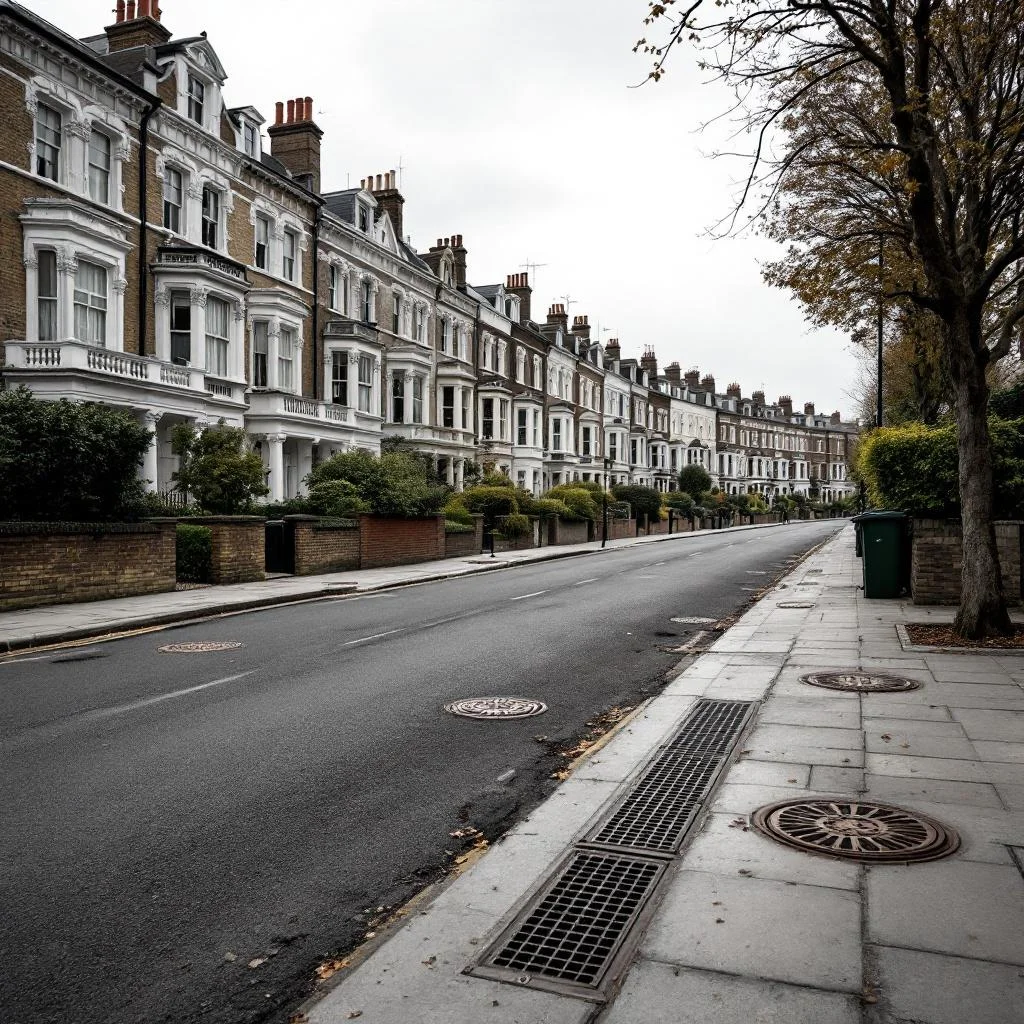
London Clay is a stiff, heavily over-consolidated marine clay deposited around 50 million years ago when the area now occupied by the Thames basin was beneath a shallow sea. It underlies most of Greater London — from the Thames Valley north through Islington, Hackney, and Haringey, across to Ealing and Brent in the west, and south through Lambeth and Southwark into parts of Lewisham and Bromley.
The defining characteristic of London Clay that matters for drainage is its extreme susceptibility to volume change with moisture content. When London Clay dries out — during a drought or in the vicinity of tree root systems that extract moisture from the soil — it shrinks dramatically, sometimes by several centimetres over a dry summer. When it wets again, it swells back. This shrink-swell cycle is relentless and, for underground drainage pipes, devastating.
The Shrink-Swell Problem
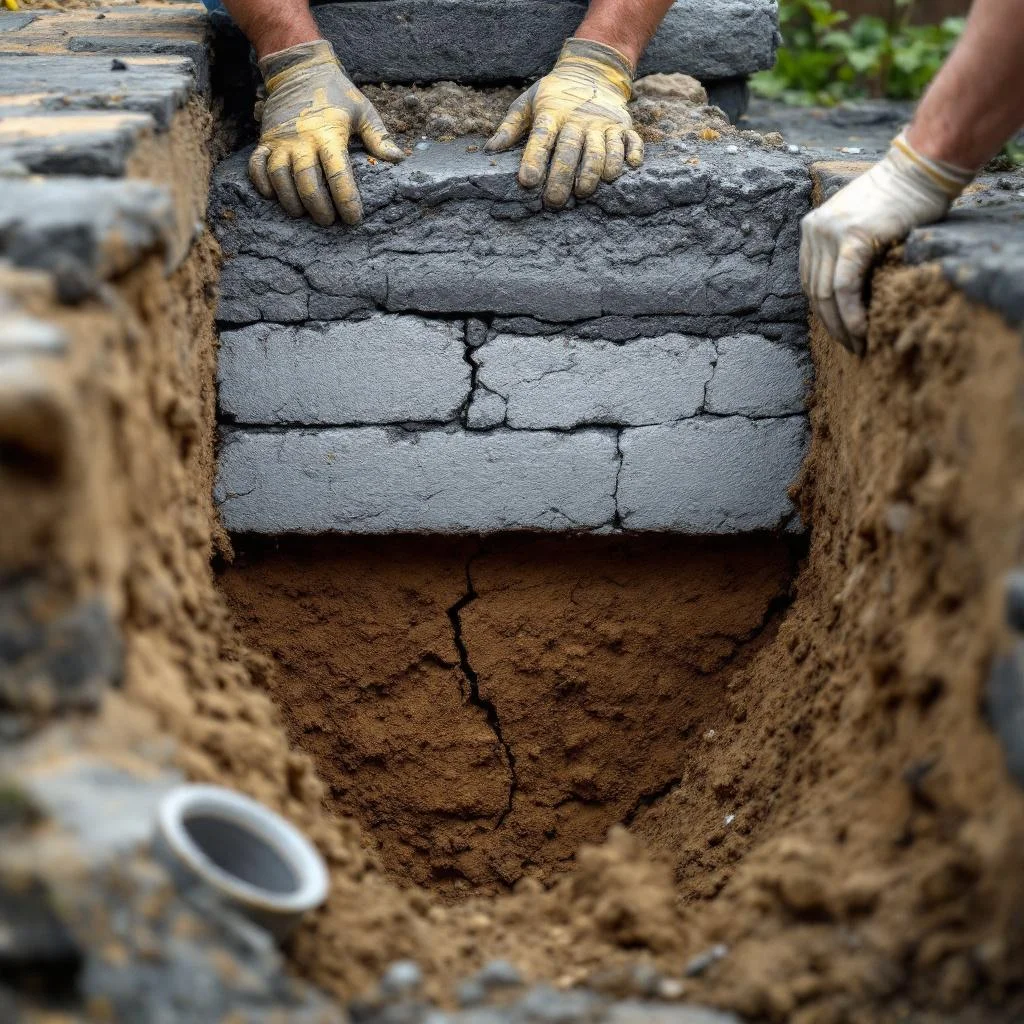
Buried drainage pipes in London Clay are subjected to lateral and vertical forces from the surrounding soil that change throughout the year. In a normal year, the clay will be near its plastic limit in winter and spring (swollen with water) and significantly drier and contracted in late summer and autumn. The soil movement this causes typically amounts to 10-20mm of vertical and lateral movement at pipe depth in inner London, and up to 40-50mm in areas with mature trees nearby.
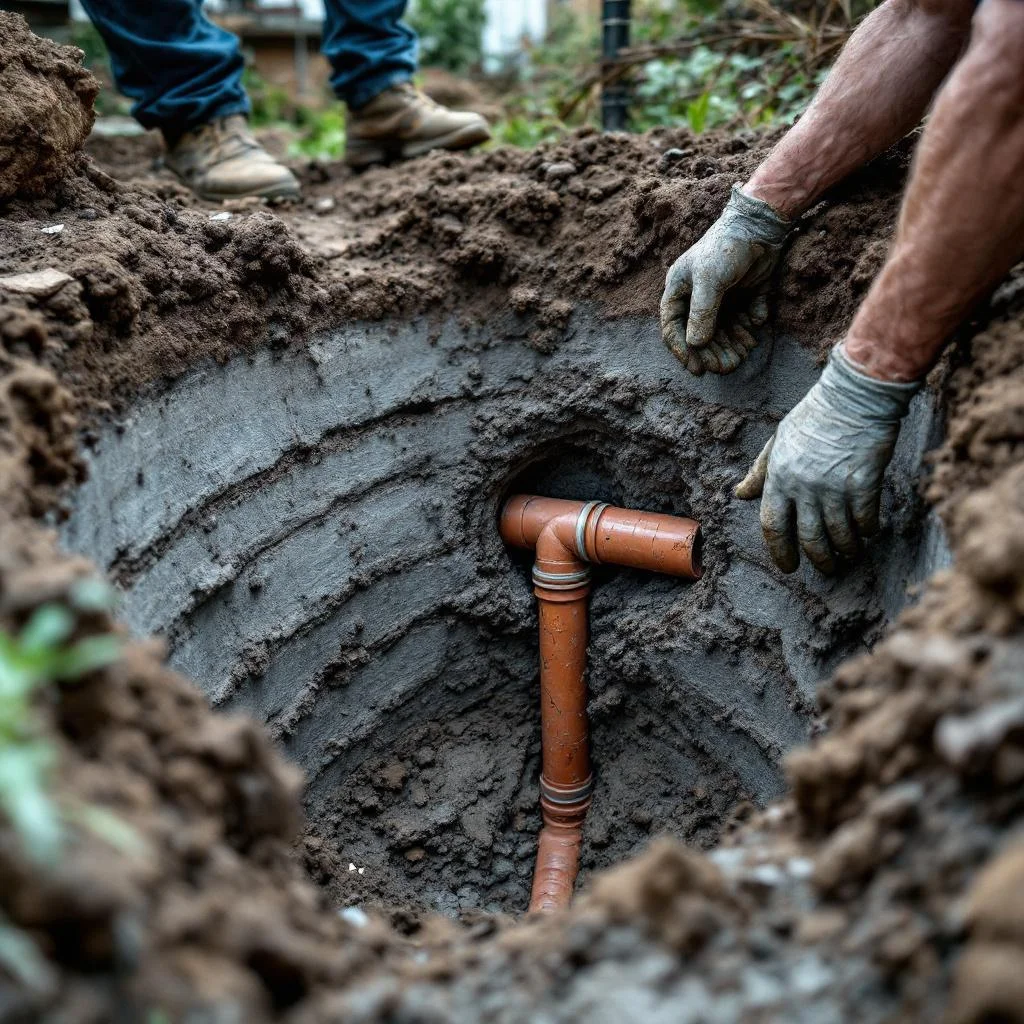
Rigid clay vitrified pipes, even those in good original condition, simply cannot accommodate this movement indefinitely. The joints between pipe sections — particularly the old sand-and-mortar or rubber-ring joints of Victorian-era drainage — open up as the soil beneath one section settles differently from the adjacent section. Once a joint opens, groundwater enters, roots follow, and the degradation process accelerates.
Tree Root Damage
London's extensive street tree population is a major contributor to drain damage in the capital. Trees growing in the clay soil need to extract significant moisture to survive, and their roots will travel many metres to reach water sources. Cracked or open-jointed drain pipes running with warm water are irresistible to tree roots, which enter through any available gap and then grow to fill the available space.
Even small root infiltrations cause blockages by trapping debris. Over time, root growth inside the pipe can cause it to deform, crack, or collapse entirely. Plane trees — the most common street tree in London — are particularly aggressive with their root systems and are a frequent culprit in drain damage claims in inner London boroughs.
Subsidence and Drain Damage
The shrink-swell of London Clay is also the primary cause of subsidence in London — the gradual settlement of building foundations as the clay beneath them dries out. Trees are the most common trigger, as their roots extract moisture from the soil beneath foundations, causing differential settlement.
Where a property has experienced subsidence, the associated ground movement almost always damages the drainage system as well. Cracked foundations and displaced drain pipes frequently go hand in hand. This is why a CCTV drain survey is standard practice in any subsidence investigation and why structural engineers dealing with London subsidence claims typically request drain survey reports.
What You Can Do
CCTV survey: If you own a property in inner London, particularly a Victorian terrace with mature trees nearby, commissioning a CCTV drain survey every 5-7 years is prudent housekeeping. Catching root infiltrations early, before they lead to pipe collapse, allows you to address the problem by jetting or root-cutting rather than excavation.
Pipe relining: Where a CCTV survey reveals open joints or cracked pipes, pipe relining offers a cost-effective alternative to excavation. A flexible liner is inserted into the existing pipe and inflated, sealing all cracks and joints from the inside and creating a smooth, root-resistant new bore. Pipe relining is particularly well-suited to London's built environment where excavation through gardens, driveways, or public footpaths is expensive and disruptive.
Tree management: If you have mature trees close to your drainage system, regular pruning to reduce the tree's water demand can help slow the shrink-swell cycle and reduce root pressure on nearby pipes. Trees that are demonstrably damaging drainage or foundations can sometimes be removed, though planning permission may be required for trees in Conservation Areas, which cover large parts of inner London.
Root barriers: Where new drainage is being installed or replaced in areas with existing trees, root barrier membranes installed alongside the pipe run can protect the new pipes from root infiltration, extending their serviceable life significantly.
Frequently Asked Questions
How do I know if London Clay has damaged my drains?
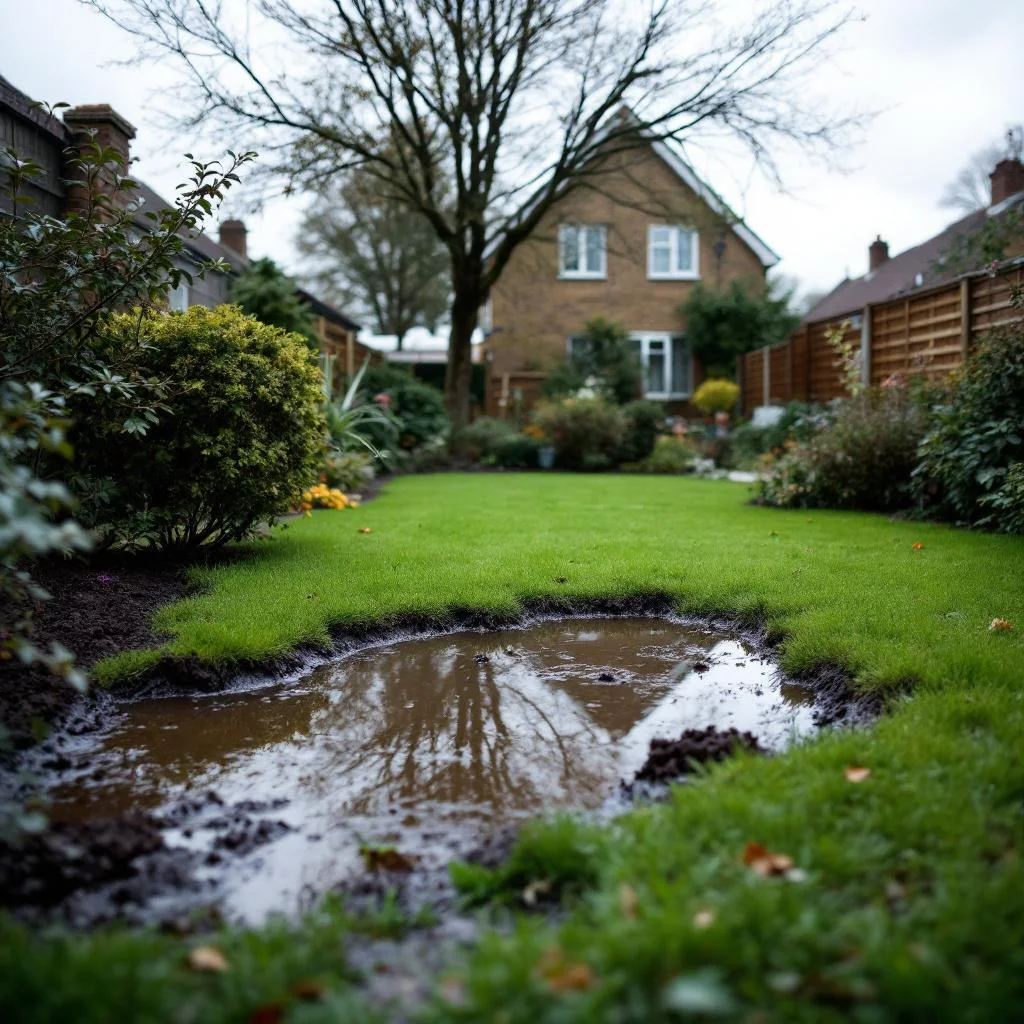
The most common signs are recurring blockages without an obvious cause, slow drainage that develops gradually, or patches of unusually lush or depressed ground over drain runs in the garden (indicating a leak). A CCTV drain survey is the only reliable way to diagnose clay-related pipe damage — surface inspection cannot see inside the pipe.
Does London Clay affect all parts of London equally?
No. The impact is most severe where the clay is thickest, moisture variation is greatest, and mature tree coverage is highest. Inner north and west London boroughs — Islington, Hackney, Haringey, Ealing, Hammersmith — typically see the most severe clay-related drain problems. South London is partially underlain by different geological strata that are less prone to extreme shrink-swell.
Can cracked pipes caused by London Clay movement be repaired without digging?
Yes, in many cases. Pipe relining — inserting a flexible CIPP liner into the existing pipe and curing it in place — seals cracked sections and open joints without excavation. This is particularly valuable in London where excavation through a garden, driveway, or beneath a pavement is expensive and disruptive. A CCTV survey will confirm whether relining is appropriate for the damage found.
How much does subsidence-related drain damage cost to repair?
Minor repairs — relining a cracked section or jetting out a root intrusion — are priced modestly. Where the pipe has collapsed and requires excavation and replacement, costs are substantially higher, depending on depth and location. Properties with insurance covering subsidence-related damage should check whether drain repairs are included in the claim.
Will removing a tree near my drain stop further damage?
Tree removal reduces the moisture extraction that drives the shrink-swell cycle locally, which slows further soil movement. However, clay rehydration after tree removal can cause heave (upward movement) which can also affect pipes. In London Conservation Areas, trees may require planning permission to remove. Always get both a structural and drainage assessment before deciding on significant tree removal.