High-pressure drain jetting clears blockages that rodding cannot — congealed fat, root intrusions, and scale build-up — using water at pressures up to 4,000 PSI to scour the pipe wall clean. Unlike rodding, which punctures a blockage, jetting removes it entirely and leaves the pipe interior clean. Most London residential jetting jobs take 30–60 minutes and are priced by scope and length of run.
High-pressure water jetting — sometimes called hydro-jetting — is one of the most powerful tools available for dealing with stubborn drain blockages. Unlike drain rods, which can punch a hole through a blockage but leave residue on the pipe walls, high-pressure jetting uses water at pressures up to 4,000 psi to cut through blockages and simultaneously scour the inside of the pipe clean.
How High-Pressure Jetting Works
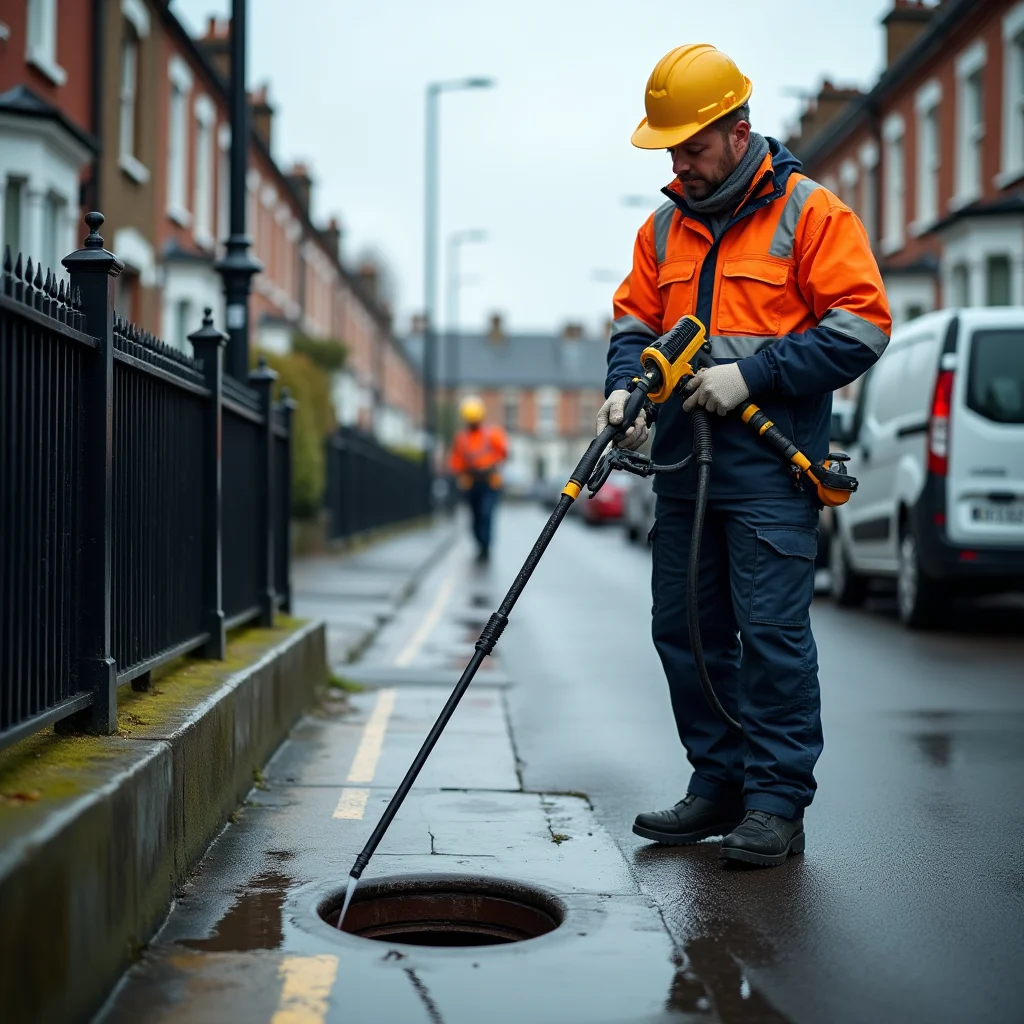
A drain jetting unit consists of a water tank, a high-pressure pump, and a flexible hose fitted with a specialised nozzle. The jetting engineer inserts the hose into the drain through a manhole or access point, and the high-pressure water stream cuts through the blockage while the rearward-facing jets on the nozzle propel the hose forward through the pipe.
The nozzle type used depends on the nature of the blockage. Chain flails are used to break up compacted scale and root intrusions. Grease-cutting nozzles blast and emulsify fat build-up. Rotating nozzles spin as they advance, scrubbing the pipe walls clean.
The result is a pipe that is not just unblocked but cleaned — the inner walls stripped back to near-original condition. This is why jetting is so much more effective than rodding for recurring blockages: it removes the underlying build-up that causes the blockage to reform, not just the immediate obstruction.
When Is Jetting the Right Solution?
Recurring blockages — If your drain keeps blocking every few months, rodding is likely clearing the immediate obstruction without addressing the underlying cause. Jetting will typically resolve recurring blockages caused by grease build-up or partial root intrusion.
Slow-running drains — A drain that runs slowly but doesn't fully block may have a significant accumulation of grease, scale, or partial root intrusion narrowing the bore. Jetting will restore full flow capacity.
Pre-CCTV survey clearance — Before carrying out a CCTV drain survey on an older London property, jetting the drain first ensures the camera gets a clear view of the pipe condition. Grease and debris covering defects can make them hard to spot.
Commercial kitchens — London restaurants, pubs, and commercial kitchens should have their grease traps and kitchen drain runs jetted regularly — typically every 3-6 months — to prevent the fat build-up that leads to fatbergs and emergency blockages.
Post-construction clean — After building works, drain systems frequently contain construction debris, mortar, and concrete that can cause blockages. Jetting will clear this before it causes a problem.
What Jetting Cannot Fix
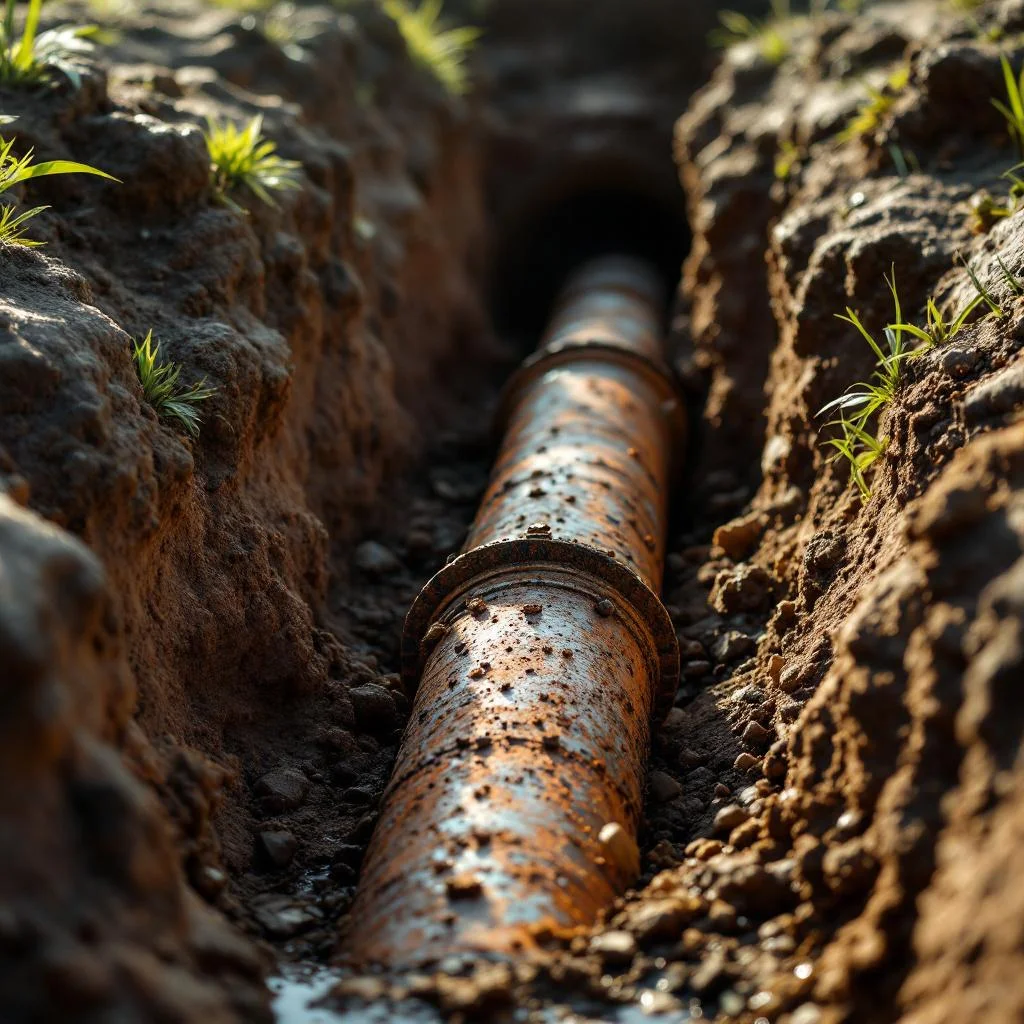
High-pressure jetting is a clearance and maintenance tool, not a repair tool. Jetting cannot repair cracked or collapsed pipes, fix misaligned joints, or remove tree roots that have completely filled a pipe section. In these situations, jetting will clear the immediate blockage but the underlying defect will continue to cause problems.
This is why a CCTV survey is often recommended alongside or following jetting work on older London properties. The survey reveals whether the drain problem is a clearance issue (which jetting can solve permanently) or a structural issue (which requires repair or replacement).
Is Jetting Safe for Old London Pipes?
This is a common concern, particularly for owners of Victorian London properties with old clay pipe drainage. The answer depends on the condition of the pipes and the skill of the operator.
An experienced drain jetting engineer will assess the pipe condition before jetting and adjust the operating pressure accordingly. Old clay pipes in good condition can be safely jetted at reduced pressure. However, pipes that are already fractured, displaced, or in a very poor state may not be suitable for high-pressure jetting, as the water pressure can worsen existing cracks. In these cases, a CCTV survey first is the right approach.
Cost in London
High-pressure jetting costs in London depend on the length of the run, the nature of the blockage, and the equipment required. Commercial drain jetting is priced individually depending on the size of the system.
For recurring blockage issues in London's Victorian housing stock, annual or biennial preventive jetting is often the most cost-effective approach — far cheaper than repeated emergency call-outs.
Frequently Asked Questions
How much does drain jetting cost in London?
Residential drain jetting in London is priced according to the length of the drain run, the severity of the blockage, and the equipment required. Commercial drain jetting is priced individually. We provide a fixed price before starting — no surprise charges.
Is high-pressure jetting safe for Victorian clay pipes?
Yes, when carried out by an experienced engineer who assesses the pipe condition first. Old clay pipes in good condition can be jetted at reduced pressure without risk. Pipes that are already significantly cracked or displaced may not be suitable; in these cases a CCTV survey first is the right approach to avoid worsening existing fractures.
How often should London drains be jetted as preventive maintenance?
For residential properties, annual or biennial preventive jetting is typically sufficient. Commercial kitchens producing high volumes of cooking fat should be jetted every 3–6 months. Properties with mature trees nearby may benefit from annual jetting to clear early-stage root infiltrations before they develop.
What's the difference between drain jetting and drain rodding?
Rodding uses flexible rods to physically push through a blockage, often leaving residue on pipe walls. Jetting uses high-pressure water to cut through the blockage and simultaneously scour the pipe interior clean. Rodding is faster and cheaper for a simple, fresh blockage; jetting is more effective for recurring blockages and grease or root build-up.
Can jetting fix a collapsed drain?
No. Jetting is a clearance and maintenance tool, not a repair tool. It can clear blockages in a collapsed section, but the structural failure must be addressed by excavation and replacement, or by trenchless pipe relining. A CCTV survey will confirm whether a structural repair is needed after jetting.