Every July, drain smell complaints spike across London. The calls start arriving in mid-June, peak through July, and taper off by September. The pattern is entirely predictable and the cause isn't mysterious: heat accelerates every biological and chemical process that produces drain odour. Add to that the effect of hot weather on the mechanical systems that are supposed to prevent smell — water trap seals, vent stacks — and you have the perfect conditions for a drain smell to become genuinely unpleasant.
This is what's actually causing the smell in your property and how to address it.
The Primary Cause: Accelerated Decomposition
Organic matter in your drain system — food particles, grease, hair, soap residue — decomposes through bacterial action. The bacteria responsible for this decomposition are mesophilic organisms: they're most active between 20°C and 45°C. Below 15°C (typical winter pipe temperatures) their activity is sluggish; above 20°C (summer pipe temperatures) it accelerates significantly.
The decomposition of organic matter produces hydrogen sulphide (H₂S) — the characteristic "rotten egg" smell associated with drains — along with methane, ammonia, and various volatile organic compounds. In a properly sealed drainage system, these gases are contained in the pipes and vented harmlessly through the stack vent. When the containment fails — due to dry traps, blocked vents, or cracked pipes — the gases find their way into the building.
The second factor is London's urban heat island effect. On a 30°C London summer day, drain pipes in full sun (particularly those running through south-facing gardens or alongside the building exterior) can reach temperatures of 35–40°C. At this temperature, bacterial decomposition is near its peak rate and gas production is high.
The Five Most Common Summer Drain Smell Sources
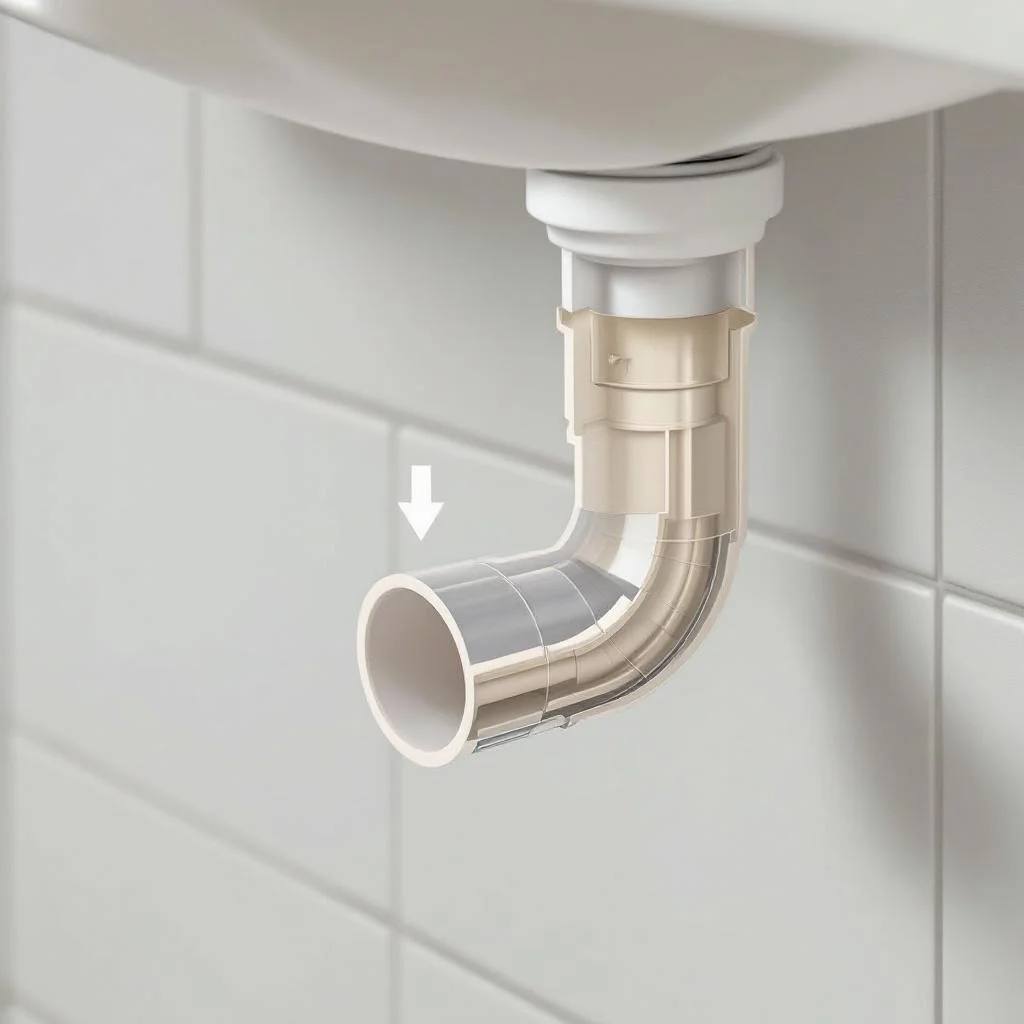
1. Dry trap (evaporated water seal). The U-bend trap beneath every sink, basin, bath, and shower holds a water seal that blocks gas from the drain entering the room. In hot weather — or in a property that's been unoccupied for a period — this water seal evaporates. Once the seal is gone, sewer gas enters directly through the plughole.
*Fix: pour water down every drain in the property. For floor drains and rarely-used basins, pour a small amount of cooking oil on top of the water — oil evaporates much more slowly than water and maintains the seal through a hot spell.*
2. Blocked or unventilated soil stack. The soil stack vent pipe exits through the roof and allows the drain system to breathe — gases exit at roof level rather than through fixtures. If the vent is blocked (by a bird nest, debris, or a capped-off vent during a loft conversion), the system becomes under-pressure during discharge, which can siphon the water seal from nearby traps.
*Fix: have the roof vent inspected and cleared. This is often the cause when drain smells appear after building work, particularly loft conversions.*
3. Partially blocked drain with trapped organic matter. A drain that's partially blocked — not fully blocked but running slowly — accumulates organic matter that decomposes and produces gas. The smell is most noticeable in summer because decomposition accelerates. The drain may not appear blocked because enough flow passes through the partial obstruction for normal daily use.
*Fix: investigate with a CCTV survey and jet the partial blockage clear.*
4. Grease-coated pipes warming up. Grease accumulated on pipe walls during winter cooking releases odorous gases as it warms. Old Victorian clay pipes in London kitchens — which run at higher temperatures in summer — are a particular source. The smell is typically detected at the kitchen sink and worsens in afternoon heat.
*Fix: professional jetting of the kitchen drain to remove the grease layer.*
5. Cracked or displaced pipe joint. A cracked pipe allows sewer gas to escape into the surrounding ground and occasionally into the building structure. This is typically detected as a background smell that's persistent and difficult to localise — it comes from the fabric of the building rather than a specific fixture.
*Fix: CCTV survey to locate the defect, followed by relining or patch repair.*
Summer-Specific Smell from External Drains
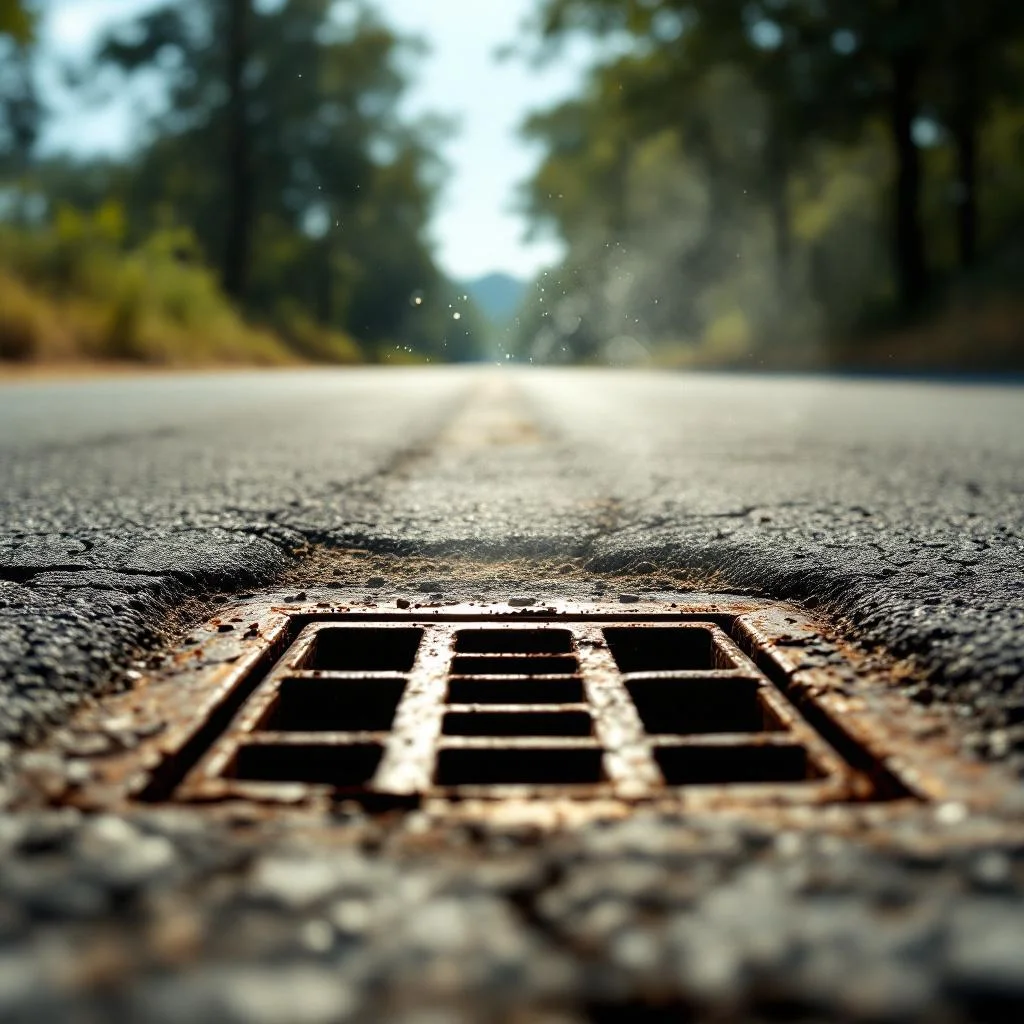
External gullies and inspection chambers can generate significant odour in hot weather. This is normal to a degree — external drainage isn't sealed in the same way as internal pipework — but excessive external odour can indicate:
- Accumulated silt or organic matter in the gully pot or inspection chamber
- A partially blocked gully that's holding standing water (and therefore intensifying decomposition)
- An incorrectly connected drain (surface water mixed with foul water)
Clearing the gully and checking the inspection chamber for debris usually resolves external odour complaints.
When a Drain Smell Indicates Something Serious
Most summer drain smells are caused by the dry trap or decomposition issues described above, and resolve quickly with straightforward fixes. You should arrange a professional investigation if:
- The smell is present throughout the building, not just near a specific fixture
- The smell worsens after rain (suggesting a cracked pipe allowing groundwater interaction)
- You can detect a clear "sewage" odour (not just general mustiness) in a room above a ground-floor drain run
- The smell appeared suddenly rather than gradually
These patterns suggest a structural issue — cracked pipe, collapsed section, or incorrect connection — that a CCTV survey will identify.
Why London Summers Are Getting Harder on Drains
Across our July callout data, summer drain-smell complaints have risen year-on-year as average London summer temperatures have climbed. The Met Office records a clear upward trend in the number of days each summer above 28°C in central London — and our callout volumes track that trend almost line-for-line. The July 2022 heatwave produced our busiest single week of summer drain-smell calls in over a decade, with most jobs traced back to dry traps in second bathrooms and ground-floor utility rooms.
This is also why postcodes near the lost rivers of Lambeth and Southwark — Effra, Falcon Brook, Neckinger — see a particular spike in summer odour complaints. Old culverted watercourses run alongside the foul sewer network in these boroughs, and warm summer ground temperatures intensify the gas exchange between them. Properties built on or near these alignments often need a more thorough investigation than a standard trap-refresh would cover. Our drainage investigation service traces persistent summer odours back to source. For straightforward kitchen-side smells driven by grease accumulation, our kitchen drain blockage page explains the standard fix path.
Frequently Asked Questions
Why does my drain smell worse on hot days?
Heat accelerates bacterial decomposition of organic matter, which produces hydrogen sulphide and other odorous gases. Heat also evaporates trap water seals faster. Both effects are amplified by London's urban heat island effect.
My drain doesn't smell in winter but starts again every summer — why?
This is the dry trap problem. Traps that are little-used throughout winter — guest bathroom basins, floor drains, rarely used showers — lose their water seal through winter evaporation, then start releasing gas as summer temperatures increase bacterial activity. The fix is simple: run water into every drain in the property at the start of summer.
Can drain smells be harmful?
Hydrogen sulphide is toxic at high concentrations — but the concentrations typically encountered from a domestic drain smell are not hazardous. The smell itself is unpleasant and indicates a system that needs attention. If the smell is very strong or accompanied by dizziness or headache, ventilate immediately and arrange an inspection.
Does pouring bleach down the drain help with summer smells?
Briefly. Bleach kills surface bacteria and temporarily reduces odour, but doesn't address the underlying cause (dry trap, grease accumulation, structural defect). Regular bleach use in large quantities can also damage older pipe materials.
How much does it cost to investigate a persistent drain smell in London?
A CCTV survey to identify the source is priced by scope. Jetting to clear a grease-related odour is priced separately. Request a quote online via our contact form to arrange.