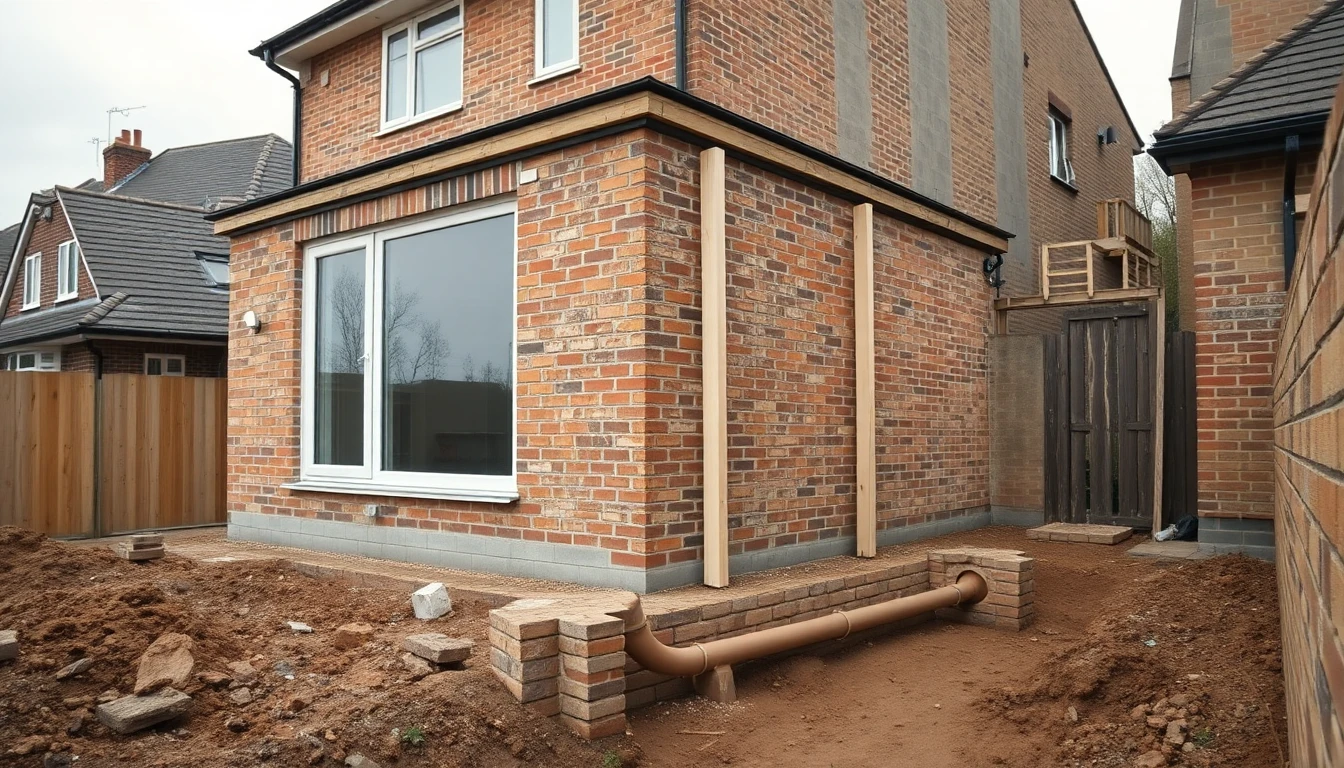
TL;DR Rear and side-return extensions are one of the most common home improvement projects across London's Victorian and Edwardian terraces — and because so many of these properties were built with a public sewer running along the rear garden boundary, a significant number of extensions end up sitting close to, or directly over, that sewer. Where that's the case, water companies including Thames Water generally require formal permission — often called a build-over or build-near agreement — before construction goes ahead, and the exact distance that triggers this requirement varies by water company policy. The process almost always starts the same way: establishing exactly where the sewer runs and how deep it sits. Request a fixed-price quote online for a CCTV drain survey to get that starting point settled before an extension gets any further into planning.
Why This Comes Up So Often in London Terraces London's terraced housing stock was largely built in a period when public sewers were laid along a consistent pattern relative to the properties above them — frequently running beneath rear gardens, connecting each house on the row to the wider network. That layout has been quietly sitting underground ever since, mostly unnoticed, right up until someone plans a rear extension, a side-return, or a basement dig that happens to fall near it.
Because rear extensions are such a common project in these boroughs — converting a narrow Victorian kitchen and adding space at the back is one of the most typical renovations in London terraces — this situation comes up constantly. Many homeowners only discover there's a sewer running through their garden once an architect or builder asks the question, or once a search reveals it during the planning process.
It's easy to assume the pipe under the garden is a private drain serving just the one property, but on a terraced row it's just as often a shared lateral or a section of public sewer serving several houses at once, running the length of the block before it reaches the main sewer in the road. That distinction matters, because it's specifically work near or over a public sewer that triggers the water company's involvement — a private drain serving only one house is a different conversation entirely.
What a Build-Over Agreement Actually Covers A build-over (or build-near) agreement is formal permission from the water company responsible for the sewer, confirming that proposed building work can go ahead without putting the sewer at risk of damage, and without making it harder to access for future maintenance or repair. It typically covers things like the foundation design near the pipe, whether the sewer needs to be diverted, and what protection measures are needed during construction.
This isn't a planning permission issue in the local authority sense — it sits alongside building regulations and, where relevant, planning consent, as a separate step specifically about protecting the buried sewer network. Skipping it isn't simply a paperwork oversight; it can create real problems later if the sewer needs work and the water company finds a structure built over it without the right foundations or access arrangements in place.
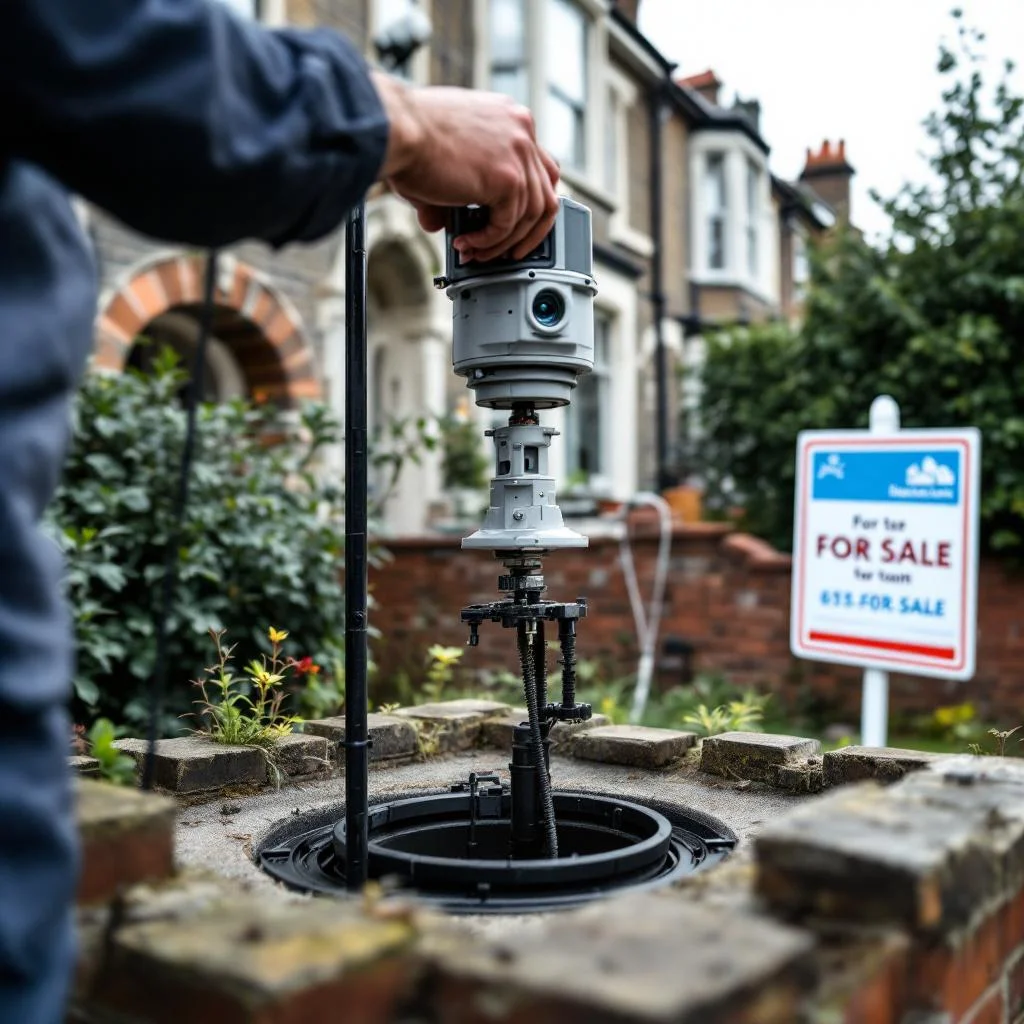
Why a CCTV Survey Comes Before the Paperwork Before any agreement can be applied for, the exact route and depth of the sewer needs to be established — and guessing from an old site plan or a manhole cover position isn't reliable enough for what's essentially a structural decision. A CCTV drain survey traces the actual pipe route and records its depth and condition, giving an accurate picture to include with the application rather than an assumption.
This matters particularly for build-over agreement applications on older Victorian terraces, where the pipe run may not match what's shown on any historic plan the water company holds — pipes get diverted, relaid, or replaced over the decades, often without the paperwork keeping pace.
What Happens If You Skip This Step Building without the right agreement in place doesn't stop the extension going up, but it can cause problems further down the line — from difficulty selling the property, since the missing agreement typically surfaces during conveyancing searches, to the water company requiring remedial work if the sewer later needs attention and the structure above is in the way. It's a step that's far easier and cheaper to deal with before foundations go in than after.
Builders and architects working across London's terraced streets will generally flag this early in a project, but it's worth raising the question directly rather than assuming it's already been checked, particularly on a smaller domestic project where a formal sewer records search isn't always the first thing scheduled.
FAQs
Do I need a build-over agreement even if the extension isn't directly over the sewer? Possibly — most water companies apply the requirement to work within a set distance of a public sewer, not just directly above it. The distance varies by water company, which is another reason to check rather than assume based on the sewer not running exactly under the new structure.
How do I find out if there's a sewer running through my garden? A CCTV drain survey combined with a sewer records search from the local water company is the reliable way to establish this — old site plans and manhole positions alone aren't always accurate for older properties.
Does a build-over agreement cost the same as a drain survey? No — the survey and the water company's build-over agreement process are separate. The survey is the evidence-gathering step; the agreement itself is handled directly with the water company once the pipe route and depth are known.